
Importing electronic components from China is recognized as one of the most significant and thriving sectors of global trade. With rapid technological advancements and increasing demand for electronic goods, China has become one of the largest producers and exporters of these products to global markets, particularly Iran. This article explores the process of importing electronic components from China, the types of goods involved, and the challenges, opportunities, and key considerations.
Types of Electronic Goods Imported from China
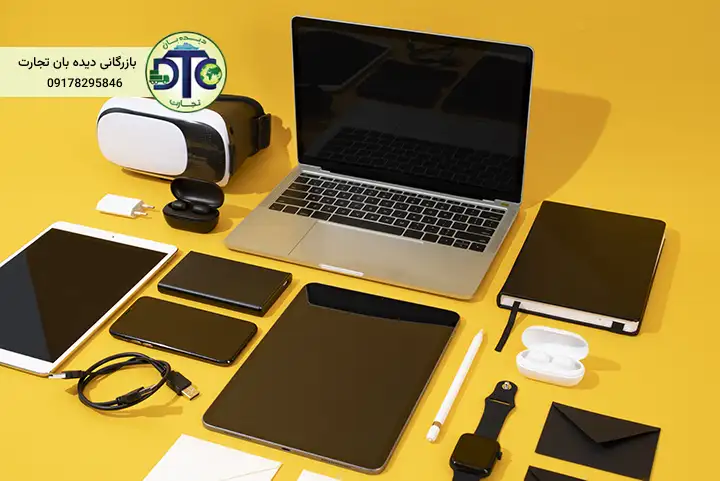
As one of the world’s largest manufacturers and exporters of electronic goods, China supplies a wide variety of products to international markets.
The Chinese electronics market has experienced significant growth in recent years, driven by continuous innovation, improved product quality, and reduced production costs. As a manufacturing hub, China has met global market demands by enhancing production and logistics infrastructure. Below are some key electronic products commonly imported from China:
1. Smartphones
China is a leading producer of smartphones, with well-known brands like Huawei, Xiaomi, and Oppo manufactured there. These phones are in high demand globally due to their competitive pricing and advanced technological features. In Iran, importing such electronic goods is particularly popular.
- Importing goods from China
2. Electronic Household Appliances
Products such as smart TVs, smart refrigerators, and washing machines equipped with cutting-edge technologies are among the popular imported goods from China. Brands like TCL and Hisense are active in this sector.
3. Computer and Phone Accessories
Importing electronic components from China, especially for phones and computers, is highly popular. Products like cables, headsets, mice, and keyboards are widely available in the market. These items are produced in China at competitive prices with high variety, attracting many global customers.
4. Consumer Electronic Devices
Products such as digital cameras, smartwatches, and wearable gadgets are also imported from China. These items are popular among consumers due to their modern designs and diverse features.
5. Industrial Electronic Equipment and Components
These include industrial computers, automation devices, and sensors, which are particularly used in manufacturing and engineering industries.
Key Reasons for the Popularity of Importing Electronic Components from China
1. Competitive Pricing
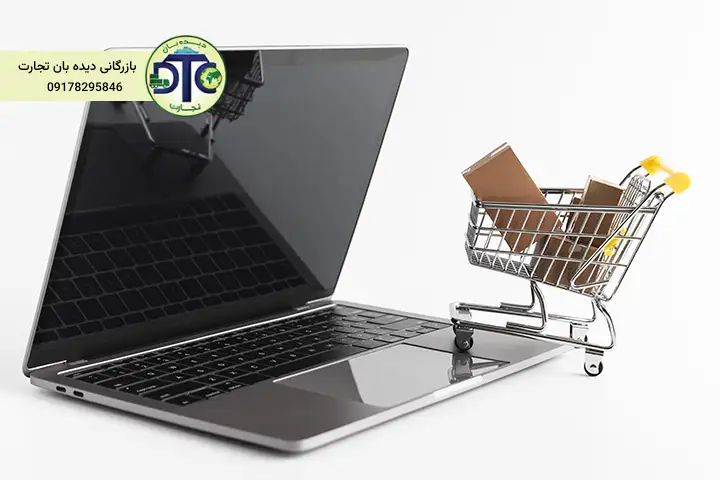
As one of the world’s largest producers, China benefits from economies of scale, leading to lower costs and final product prices. This makes importing electronic components from China generally more affordable compared to similar products from other countries.
2. Product Variety
China’s high production capacity and extensive product range allow it to meet diverse market needs. This variety enables importers to select products across different categories.
3. Quality and Innovation
With technological advancements, Chinese manufacturers have progressively improved product quality and achieved new innovations. Reputable Chinese brands compete globally by offering high-quality products with modern features.
4. Robust Infrastructure
China boasts strong transportation, logistics, and distribution networks, facilitating the import process and reducing delivery times to markets.
5. Buyer Support
Chinese manufacturers typically offer better after-sales services and support, increasing importers’ confidence in their purchases.
6. Bulk Purchasing Opportunities
Bulk purchasing of electronic goods from China allows importers to benefit from special discounts and lower prices, which is particularly important for retailers and small businesses aiming to increase profit margins.
Process of Importing Electronic Goods from China
1. Identifying Suppliers for Importing Electronic Goods
The first step in the import process is identifying reliable suppliers in China. This can be done through:
Trade Shows: Attending international exhibitions like the Canton Fair, where manufacturers and buyers meet, allows you to connect with Chinese suppliers.
Online Platforms: Using platforms like Alibaba and Global Sources to find suppliers and compare prices and product quality is a popular method.
Reputable Trading Companies: You can also import electronic goods through well-known trading companies to find reliable suppliers.
2. Evaluating and Selecting Suppliers
After identifying suppliers, they should be evaluated for credibility and product quality. This includes:
Reviewing Feedback and Ratings: Studying other buyers’ reviews and the supplier’s track record.
Requesting Samples: Requesting product samples to assess quality and suitability for your needs.
3. Negotiation and Contracting
Once a supplier is selected, negotiating price, payment terms, and delivery timelines is crucial. Drafting a formal contract with details such as delivery conditions, warranties, and after-sales services can help prevent future issues.
4. Payment and Invoicing
Most Chinese suppliers use various payment methods, including bank transfers, PayPal, and others. A formal invoice from the supplier is also required.
5. Transportation and Customs Clearance
Choosing a Transportation Method: Depending on cost and time, sea, air, or land transportation can be selected.
Customs Clearance: Upon arrival in the destination country, customs clearance procedures and payment of relevant duties are required.
Legal and Customs Requirements for Importing Electronic Components from China
1. Required Documents for Importing
The following documents are mandatory for importing electronic components and goods:
Commercial Invoice: Includes details of the price and product specifications.
Certificate of Origin: Indicates the country where the goods were produced.
Certificate of Standards: Ensures that imported goods comply with national and international standards.
2. Duties and Taxes
Importing goods may incur customs duties and value-added tax (VAT), which vary depending on the product type and country of origin.
3. Health and Safety Regulations
Electronic goods may be subject to specific health and safety regulations, and compliance must be ensured. 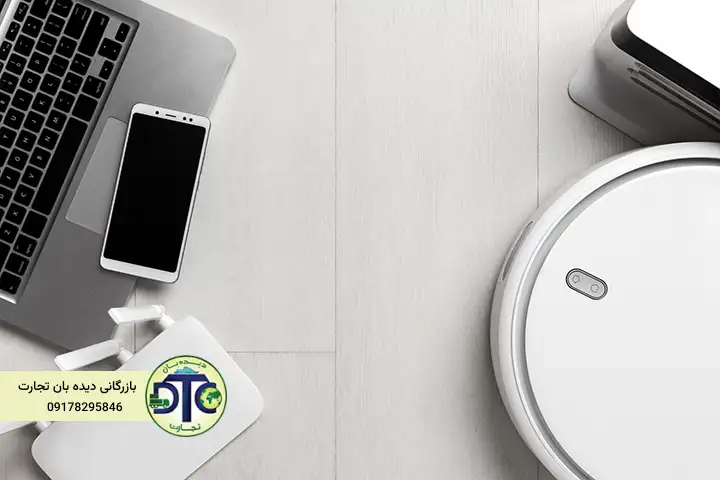
Challenges and Risks of Importing Electronic Components from China
While importing electronic components from China is profitable, it also comes with challenges and risks, including:
1. Product Quality
One of the biggest challenges is the lack of guaranteed product quality. Some suppliers may deliver goods of lower quality than promised.
2. Cultural and Language Differences
Cultural and language differences can lead to misunderstandings during negotiations and contracts. Understanding the needs and expectations of both parties can help avoid issues. Consulting reputable trading companies is advisable.
3. Transportation Delays
Delays in transportation and customs clearance are another challenge. Choosing reliable suppliers and transportation companies is critical.
4. Currency Fluctuations
Exchange rate fluctuations can impact import costs, making price predictions difficult.
Key Tips for Success in Importing Electronic Components from China
1. Market Research
Thorough market research before importing can help identify customer needs and demands, leading to better import decisions.
2. Choosing Reliable Suppliers
Selecting reputable and experienced suppliers ensures product quality and reliability. Reviewing suppliers’ track records and customer feedback is essential.
3. Cost Management
Managing costs, including customs duties, transportation, and product prices, optimizes the import process. Setting a budget and financial planning can prevent financial issues.
4. Monitoring and Evaluation
Post-import monitoring of product performance and customer satisfaction helps improve the import process and increase sales. Evaluations identify strengths, weaknesses, and areas for future improvement.
Didehban Tejarat, a Reliable Choice for Importing Electronic Components from China
Importing electronic goods from China is a complex, multi-step process requiring attention to legal requirements, product quality, and potential challenges. Given the numerous opportunities in this field, traders and companies can achieve significant success by adopting appropriate strategies and collaborating with reliable suppliers. Ultimately, by considering key factors and leveraging modern technologies, the import process can be optimized for increased profitability.
Didehban Tejarat Trading Company, as a reputable firm in international trade, offers a wide range of services to Iranian traders and companies. With an active branch in China, the company serves as an effective bridge between domestic and international markets. Below, we explore the company’s services in importing and exporting electronic goods and other products.
1. Consulting Services
Didehban Tejarat provides specialized consulting services on Chinese markets and understanding Iran’s market needs and demands, helping traders make better import and export decisions. These services include:
Market Analysis: Evaluating Chinese market trends and identifying investment opportunities.
Supplier Selection Consulting: Assisting traders in identifying reliable and suitable suppliers in China.
2. Goods Sourcing Services
As a trusted intermediary, Didehban Tejarat enables importers to source high-quality goods from China at the best prices. These services include:
Connecting with Suppliers: Negotiating with Chinese manufacturers and suppliers to secure favorable prices and terms.
Quality Control: Conducting necessary inspections on goods before shipment to Iran to ensure compliance with required standards.
3. Transportation and Logistics
Leveraging reliable transportation networks and strong logistics infrastructure, Didehban Tejarat offers international transportation services from China via air and sea. These services include:
Supply Chain Management: Planning and managing the transportation of goods from China to Iran efficiently and without delays.
Customs Services: Providing customs clearance services in Iran through Didehban Tejarat’s specialized customs team, including preparing necessary documents and handling administrative procedures.
4. After-Sales Services
To enhance customer satisfaction and improve the import experience, Didehban Tejarat offers after-sales services, including:
Technical Support: Providing technical advice on imported products and assisting with potential issues.
Goods Tracking: Monitoring and updating customers on the status of transportation and delivery.
5. Active Branches in China
Having active branches in China allows Didehban Tejarat to respond to customer needs quickly and accurately. These branches maintain direct communication with Chinese manufacturers and suppliers, enabling faster and more effective services for Iranian traders.
Frequently Asked Questions About Importing Electronic Components from China
1. What are the steps for importing electronic components?
First, find a suitable supplier, evaluate product samples, and confirm quality before placing the main order. The goods are then prepared for transportation and sent to customs for clearance.
2. How can I find reliable suppliers for importing electronic goods?
You can use platforms like Alibaba and Global Sources, which feature verified suppliers. Attending exhibitions like the Canton Fair can also be helpful.
3. What are the costs involved in importing electronic goods?
Main costs include the price of goods, transportation, insurance, customs duties, taxes, and customs clearance fees.
4. How can I calculate customs duties?
Customs duties are determined by the shipment’s tariff code. You can use the following tools to streamline calculations: