
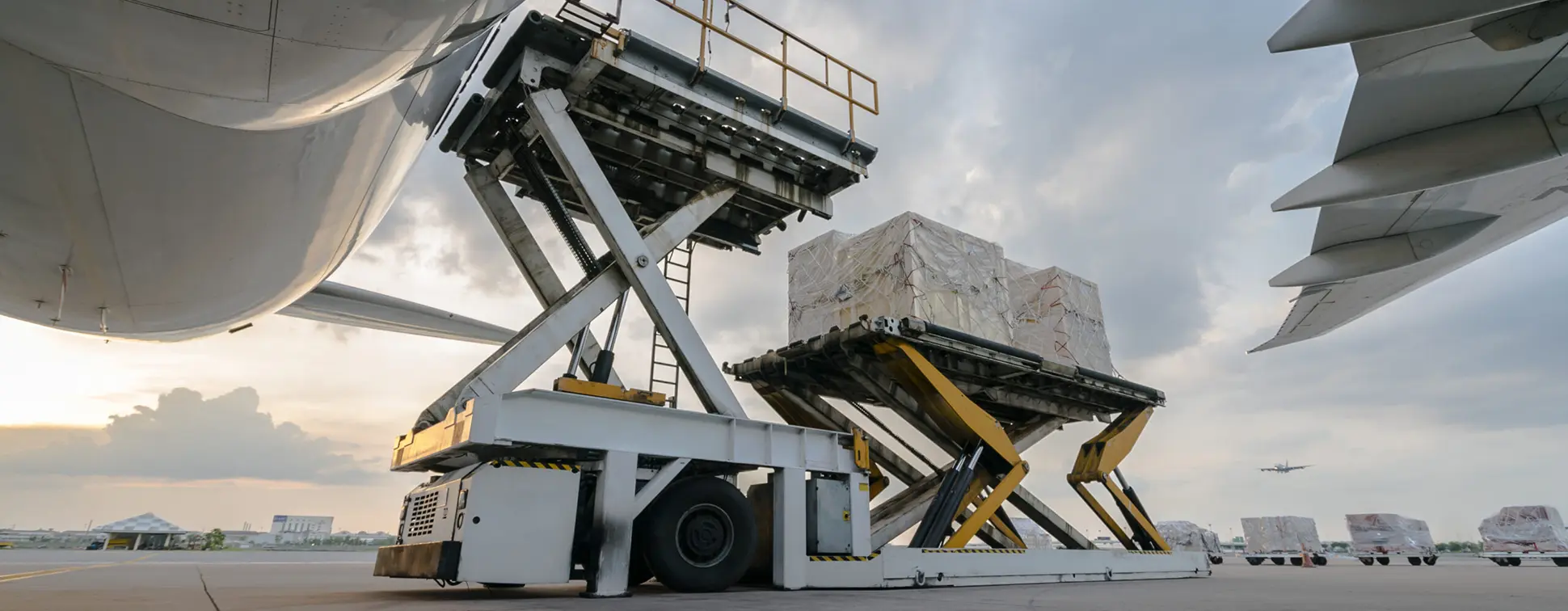
Imam Khomeini International Airport (IKIA) Customs is one of the most important and largest air customs offices in Iran. Located within the premises of Imam Khomeini International Airport, it plays a crucial role in international trade and air transportation. Due to its strategic location, the volume of goods cleared through IKIA Customs is significantly high, making it a preferred choice for traders and importers.
Features & Location Imam Khomeini Airport Customs clearance
Being situated in Iran’s main international airport, IKIA Customs provides easy access to global flight networks and transportation systems. It is equipped with advanced inspection and clearance technologies, including X-ray machines, high-security warehouses, and smart management systems. These features make customs clearance at IKIA a high-priority process for businesses and traders.
Business and Trade Operations
- Import & Export Clearance: Efficient processing of import and export shipments, including customs declarations, inspections, and goods evaluation.
- Customs Control & Supervision: Strict monitoring of inbound and outbound goods to prevent smuggling and customs violations.
- Electronic Services: Online submission of declarations, payment of duties, and other digital customs services.
- Express Clearance: Fast-track services for urgent and sensitive goods such as pharmaceuticals, medical equipment, and perishable products.
- Passenger Facilitation: Customs services for travelers, including baggage clearance and inquiries.
Customs Clearance Services at IKIA
- Import & Export Clearance: Efficient processing of import and export shipments, including customs declarations, inspections, and goods evaluation.
- Customs Control & Supervision: Strict monitoring of inbound and outbound goods to prevent smuggling and customs violations.
- Electronic Services: Online submission of declarations, payment of duties, and other digital customs services.
- Express Clearance: Fast-track services for urgent and sensitive goods such as pharmaceuticals, medical equipment, and perishable products.
- Passenger Facilitation: Customs services for travelers, including baggage clearance and inquiries.
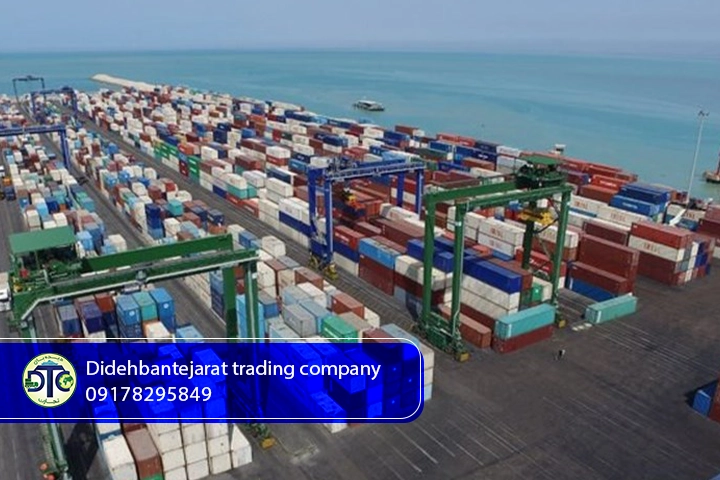
Advantages of Clearing Goods at IKIA Customs
- Speed & Efficiency: Advanced electronic systems enhance clearance speed and accuracy.
- Cost Reduction: Digital processes and streamlined procedures lower clearance costs.
- Security & Transparency: Advanced security measures ensure compliance and minimize risks.
Challenges of IKIA Customs
- High Traffic & Congestion: Large volumes of imports and exports can sometimes cause delays.
- Complex Regulations: Frequent changes in customs laws may create challenges for traders.
- Technical Issues: Occasional system malfunctions may impact clearance times.
Types of Goods Cleared at IKIA Customs
- Electronics & Digital Devices: Computers, laptops, mobile phones, tablets, and accessories.
- Pharmaceuticals & Medical Equipment: Imported medicines, vaccines, surgical tools, and healthcare products.
- Food & Perishable Goods: Fresh produce, dairy, seafood, and other time-sensitive items.
- Cosmetics & Personal Care Products: Skincare, beauty products, and toiletries.
- Luxury Goods: Jewelry, high-end watches, branded fashion items.
- Industrial Machinery & Spare Parts: Equipment for automotive, petrochemical, and manufacturing industries.
- Household & Consumer Goods: Refrigerators, washing machines, kitchen appliances, and more.
- Chemical & Laboratory Materials: Chemicals used in various industries and laboratory equipment.
- Textiles & Apparel: Fabrics, clothing, and textile products.
- Books & Cultural Items: Publications, magazines, and media-related products.
Customs Clearance Process at IKIA
- Customs Declaration Submission: Importers or their representatives submit digital declarations via the EPL system.
- Document Verification: Required documents (invoice, bill of lading, certificate of origin, etc.) are checked.
- Goods Inspection & Evaluation: Customs officials verify the accuracy of the declaration and inspect shipments if necessary.
- Duty & Tax Payment: Customs duties and VAT are calculated and must be paid before clearance.
- Final Control & Approval: Final document verification and security checks are performed.
- Clearance & Release: Once approved, the customs clearance permit is issued, and goods can be transported out of customs.
Important Considerations
- Hiring a Customs Broker: Many businesses use brokers for faster and smoother clearance.
- Required Permits: Some goods, like pharmaceuticals and chemicals, require special approvals.
- Electronic Systems: Utilizing online platforms (EPL, PCM) can expedite the process.
Our Services
- Customs Clearance for Imports: Assisting with document verification, customs duties, and compliance checks.
- Export Clearance: Helping exporters with documentation, legal requirements, and customs formalities.
- Customs Consultation: Providing guidance on customs laws, regulations, and clearance strategies to optimize processes.
- Logistics Support: Ensuring timely and accurate clearance through modern technology and experienced professionals.
Customs Clearance Costs at IKIA
Costs vary based on:
- Customs Duties: Calculated as a percentage of the declared goods’ value.
- VAT (Value-Added Tax): Applied based on product value and national tax rates.
- Other Import Taxes: Some goods may incur additional fees (e.g., environmental or health-related duties).
- Brokerage Fees: Charges for customs clearance agents.
- Insurance & Transport Fees: If applicable, these add to overall costs.
- Additional Charges: Costs related to inspections, warehousing, or other required services.
Prohibited & Restricted Goods at IKIA Customs
Some items cannot be imported due to legal, health, or security concerns:
- Legally Banned Goods: Narcotics, weapons, explosives, and endangered species.
- Health & Safety Restrictions: Unsafe food products, hazardous chemicals, and biologically dangerous materials.
- National Security Concerns: Explosives, radioactive materials, and potentially harmful substances.
- Restricted Human Use Items: Certain pharmaceuticals, live animals, and perishable food items.
Regulations change periodically, so it’s advisable to check with customs authorities for up-to-date restrictions.
Conclusion
Imam Khomeini International Airport Customs plays a vital role in facilitating Iran’s global trade and air transportation. Despite challenges such as congestion and complex regulations, it remains one of Iran’s most efficient customs offices. By leveraging modern technology and efficient procedures, IKIA Customs continues to streamline the clearance process, ensuring secure and rapid cargo movement.
Dideban Tejarat, with over 10 years of experience in import, export, customs clearance, and international logistics, ensures seamless commercial transactions for its clients.
For more details and expert customs consultation, contact us at:
📞 +98 917 829 5849