
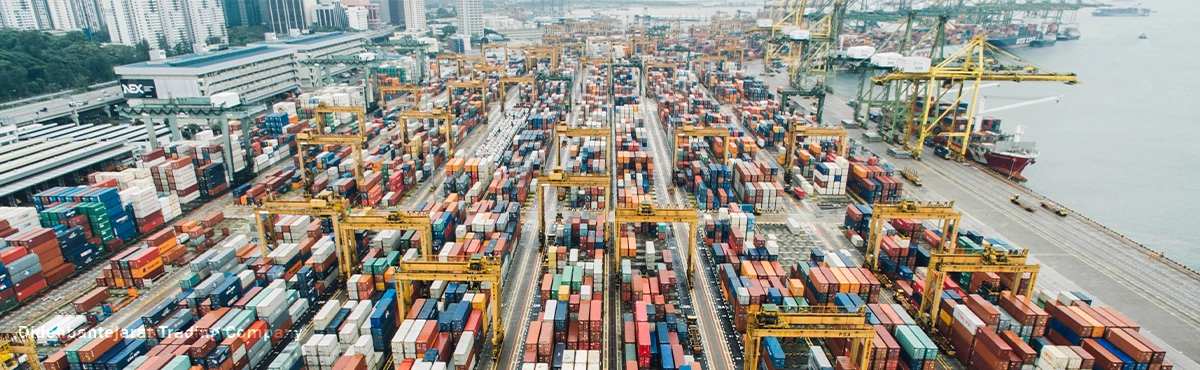
Maritime shipping is the backbone of global trade, responsible for transporting nearly 90% of the world’s goods. It connects continents, fuels economies, and ensures that everything from raw materials to consumer goods reaches its destination. But what makes maritime shipping so essential?
What Is Maritime Shipping?
Maritime shipping refers to the transportation of goods and cargo across oceans and seas using specialized vessels. It is the most cost-effective method for large-scale international trade, allowing companies to move massive quantities of products worldwide.
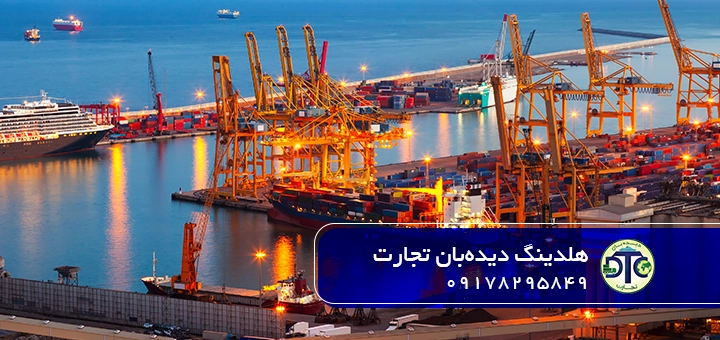
How Maritime Shipping Works
The process of maritime shipping involves several steps:
- Booking and Documentation – Cargo owners arrange shipping services and prepare necessary documents.
- Loading at Port – Goods are loaded onto ships using cranes and other port equipment.
- Transit Across Oceans – Ships navigate through designated routes to reach their destinations.
- Unloading and Distribution – Upon arrival, goods are unloaded and transported to their final destinations.
Types of Ships Used in Maritime Shipping
Maritime shipping involves various types of vessels, each designed for specific cargo:
- Container Ships – Carry goods in standardized containers.
- Tankers – Transport liquid cargo like oil, gas, and chemicals.
- Bulk Carriers – Handle raw materials such as coal and grain.
- Ro-Ro Ships – Transport vehicles and machinery.
- LNG Carriers – Specialize in liquefied natural gas transport.
Major Shipping Routes Around the World
Certain routes dominate global maritime trade:
- Suez Canal – Connecting Europe to Asia.
- Panama Canal – Shortcut between the Atlantic and Pacific Oceans.
- Strait of Malacca – Vital for trade between China, India, and Southeast Asia.
- North Atlantic Route – Facilitates trade between North America and Europe.
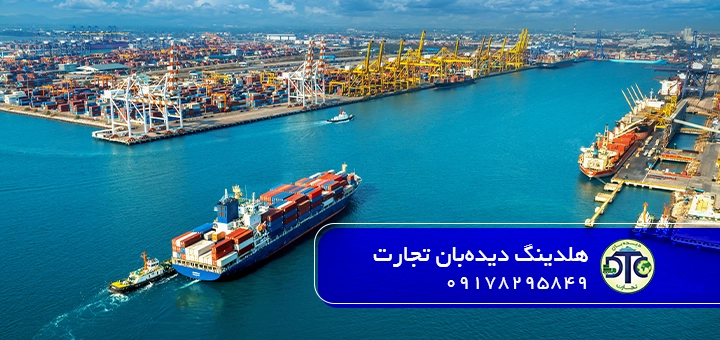
The Importance of Maritime Shipping in Global Trade
Without maritime shipping, global trade as we know it would not exist. It allows businesses to:
- Access international markets.
- Transport goods at a lower cost compared to air freight.
- Support supply chain efficiency for various industries.
Challenges Facing the Maritime Industry
Despite its significance, maritime shipping faces numerous challenges:
- Piracy and Security Threats – Particularly in regions like the Gulf of Aden.
- Rising Fuel Costs – Affects operational expenses and freight rates.
- Regulatory Compliance – Adhering to international shipping laws and environmental policies.
- Supply Chain Disruptions – Events like port congestion and strikes can delay shipments.
The Impact of Technology on Maritime Shipping
Technology is reshaping maritime shipping in many ways:
- Automation and AI – Smart ships can optimize fuel efficiency and navigation.
- Blockchain Technology – Enhances transparency and security in shipping transactions.
- IoT and Smart Ports – Improve logistics and tracking of cargo movements.
The Role of Ports and Logistics in Maritime Shipping
Ports serve as critical hubs in the shipping industry, handling cargo loading, unloading, and storage. Efficient port operations ensure the smooth flow of goods in and out of global markets.
Maritime Shipping Regulations and Policies
International bodies like the International Maritime Organization (IMO) enforce shipping laws to ensure safety and environmental sustainability. Key regulations include:
- MARPOL Convention – Controls marine pollution.
- SOLAS Convention – Establishes ship safety standards.
- Ballast Water Management Convention – Prevents the spread of invasive species.
Maritime Shipping Services by Didehban Tejarat
Didehban Tejarat specializes in international shipping and logistics, offering a range of maritime shipping services, including:
- Freight Forwarding – Managing cargo shipments from origin to destination.
- Customs Clearance – Ensuring smooth import/export processes.
- Container Shipping – Transporting goods via major shipping lines.
- Bulk Cargo Handling – Efficient solutions for large-scale shipments.
- Door-to-Door Delivery – Comprehensive logistics support for seamless trade operations.
With expertise in global trade, regulatory compliance, and supply chain management, Didehban Tejarat ensures reliable and cost-effective maritime shipping solutions for businesses worldwide.