
What is Logistics?
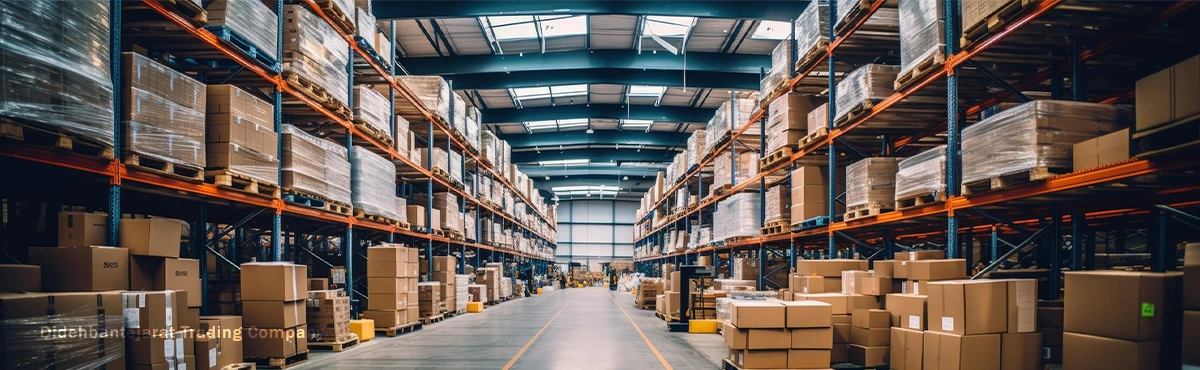
It refers to the process of planning, implementing, and controlling the movement and storage of goods, services, and information from the point of origin to the final destination. In simple terms, logistics ensures that the right products reach the right place at the right time—efficiently and cost-effectively.
The Importance of Logistics in Business
Enhancing Supply Chain Efficiency
A well-structured logistics system streamlines operations, minimizes delays, and improves overall supply chain efficiency. Efficient logistics enable businesses to reduce lead times and optimize resource allocation.
Cost Reduction and Profit Maximization
Logistics directly impacts the cost structure of a company. By optimizing transportation routes, leveraging bulk shipping, and using automation, businesses can reduce operational expenses and increase profit margins.
Customer Satisfaction and Retention
Fast and reliable deliveries lead to higher customer satisfaction. Logistics ensures that orders are fulfilled promptly, reducing the chances of lost sales due to stockouts or late shipments.
Key Components of Logistics
1- Transportation
Transportation is at the core of logistics. It involves moving goods via air, land, sea, or rail. Choosing the right transportation mode is essential for balancing speed and cost.
2- Warehousing and Storage
Warehousing ensures that products are stored safely before distribution. A strategically located warehouse reduces transit time and increases efficiency in order fulfillment.
3- Inventory Management
Keeping track of inventory levels helps businesses avoid overstocking or stock shortages. Modern inventory management systems use AI and automation for real-time tracking.
4- Order Fulfillment
From receiving an order to delivering it to the customer, order fulfillment is a critical component of logistics. It includes picking, packing, and shipping the goods efficiently.
Types of Logistics
Inbound Logistics
Inbound logistics deals with the movement of raw materials and supplies from suppliers to production facilities.
Outbound Logistics
Outbound logistics refers to the distribution of finished goods from manufacturers to customers or retailers.
Reverse Logistics
This involves handling returns, recycling, and disposal of goods. Businesses use reverse logistics to manage defective products and minimize waste.
Third-Party Logistics (3PL)
Many companies outsource logistics to specialized firms known as 3PL providers. These companies handle transportation, warehousing, and inventory management.
Challenges in Logistics and How to Overcome Them
Supply Chain Disruptions
Global crises, natural disasters, and geopolitical issues can disrupt supply chains. Businesses can mitigate risks by diversifying suppliers and maintaining buffer stocks.
Rising Transportation Costs
Fuel prices and labor costs contribute to rising transportation expenses. Optimizing routes and using energy-efficient vehicles help manage costs.
Sustainability Concerns
Eco-friendly logistics practices, such as using electric vehicles and reducing packaging waste, help businesses meet sustainability goals and regulatory requirements.
Future Trends in Logistics
Green Logistics
Sustainability is shaping the future of logistics. Companies are adopting green practices to reduce carbon footprints and improve efficiency.
Drone and Autonomous Deliveries
Drones and self-driving trucks are set to revolutionize deliveries, reducing costs and speeding up transit times.
Big Data and Predictive Analytics
Analyzing vast amounts of data helps businesses anticipate demand patterns and optimize logistics operations proactively.
Our Logistics Services
At Didehban Tejarat, we provide comprehensive logistics solutions, including international freight forwarding, customs clearance, warehousing, and supply chain management. With a strong network in Iran, China, Turkey, and the UAE, we facilitate seamless global trade. Our expertise in import, export, and transportation ensures that your goods reach their destination efficiently and cost-effectively. Whether you need door-to-door delivery, project cargo handling, or specialized logistics solutions, we tailor our services to meet your business needs.