
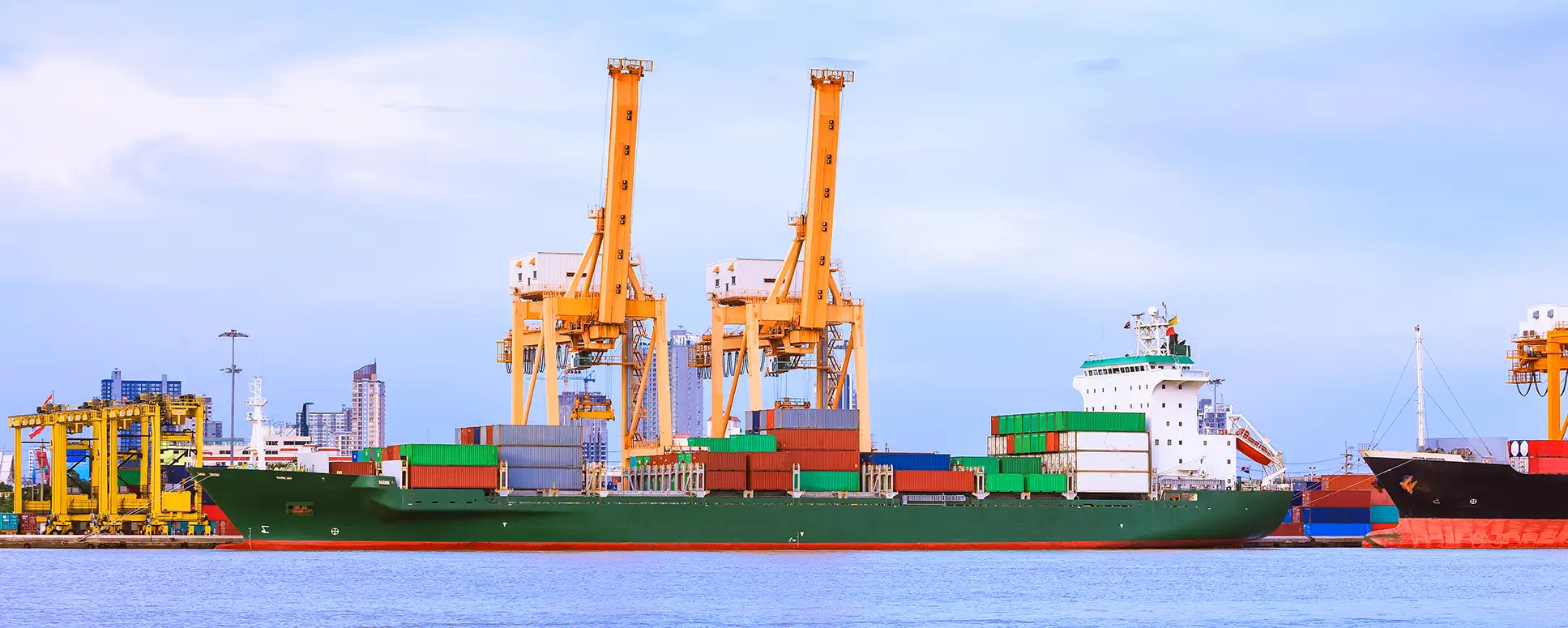
Shahid Rajaee Port Customs in Bandar Abbas, as the largest and most significant customs authority in Iran, plays a vital role in facilitating the country’s international trade. With its strategic location in the Persian Gulf and access to global markets, this customs facility is recognized as a key gateway for the import and export of goods. The majority of Iran’s commercial activities are processed through this customs hub, including the import of essential goods and the export of industrial and mineral products. This text provides a detailed examination of the customs clearance process at Shahid Rajaee Port, along with the challenges and opportunities associated with it. Additionally, we will analyze the positive impacts of improving this process on the national economy, enhancing competitiveness, and attracting domestic and foreign investment. Furthermore, by exploring the role of technology and reformative solutions in improving customs performance, we will highlight the importance of transparency and process facilitation in driving economic growth.
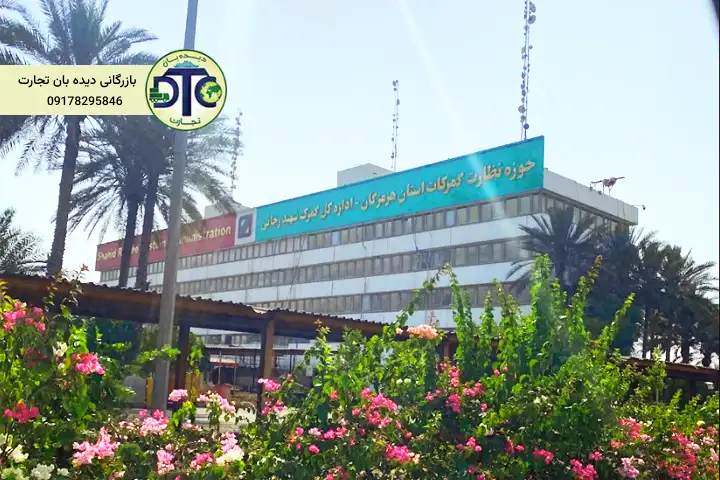
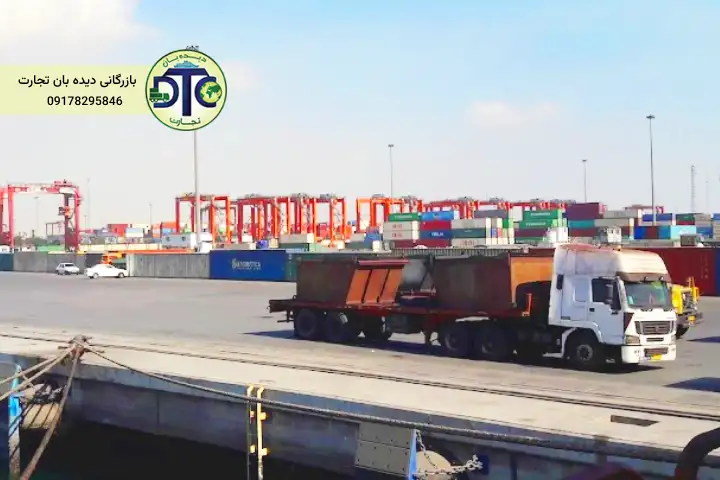 Trade Watch is a reputable and specialized company in the field of customs clearance, particularly at Shahid Rajaee Port Customs in Bandar Abbas. Leveraging a professional and experienced team with comprehensive knowledge of customs regulations and processes, the company provides comprehensive and professional services to facilitate and expedite customs clearance. Below, we outline the specialized services and key features of this company:
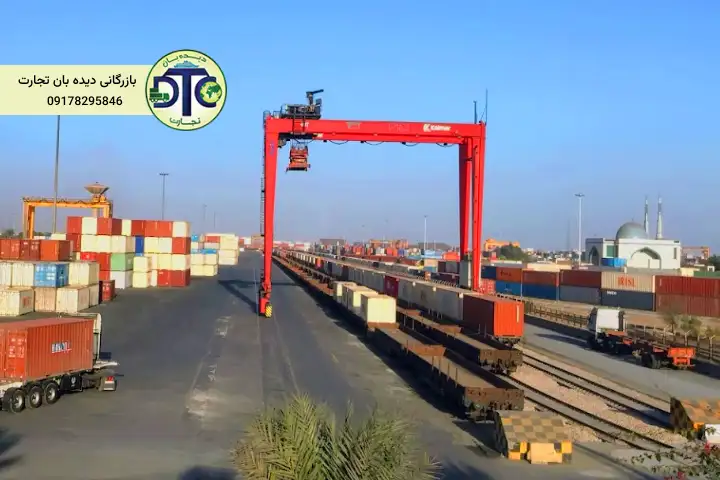
Detailed Analysis of Shahid Rajaee Customs and Its Role in National Trade
Shahid Rajaee Port Customs in Bandar Abbas is the largest and most critical customs facility in Iran. Due to its unique geographical position in the Persian Gulf and proximity to international markets, it serves as a pivotal point for Iran’s international trade. With its high capacity for handling containers and diverse facilities, this customs authority manages over 70% of Iran’s imports and exports. Specifically, it is the primary hub for importing essential goods, raw materials for industries, and exporting petrochemical and mineral products.Strategic Importance of Shahid Rajaee Customs
Access to International Waters: Shahid Rajaee Customs facilitates maritime transport, enabling faster delivery of imported and exported goods to domestic and international consumers. Role in Supply Chain and Production: The swift entry of intermediate goods and raw materials through this customs hub allows domestic industries to produce goods more quickly and at lower costs.Customs Clearance Process at Shahid Rajaee Port
The process of clearing goods from Shahid Rajaee Customs generally involves the following stages, each encompassing specific operational and regulatory steps:a) Filing the Customs Declaration
In the initial stage, detailed information about the goods is recorded by the owner or their representative. This includes the type, quantity, value, and precise details about the origin and destination of the goods. This stage requires high accuracy, as errors can lead to delays in clearance and hefty fines.b) Inspection and Evaluation of Goods
At this stage, goods are inspected by customs experts. Depending on the type of goods, physical inspections or document reviews may be conducted. The use of modern inspection tools, such as X-ray scanners and intelligent detection systems, can significantly speed up this process.c) Payment of Duties and Taxes
Customs duties and taxes are paid based on the type and value of the goods. These payments include customs duties, value-added tax, and, in some cases, additional specific fees. In Iran, the rates for these duties and taxes can be influenced by changes in fiscal and currency policies.d) Issuance of Clearance Permit
The final stage involves issuing a clearance permit, which is granted after all payments and necessary approvals are completed. This stage may face delays depending on the type of goods and applicable regulations.Structural and Operational Challenges in Customs Clearance
Clearing goods from Shahid Rajaee Customs faces several challenges, some related to structural and procedural issues, while others stem from technical and managerial limitations.a) Bureaucratic and Administrative Complexities
Numerous laws and regulations govern the customs clearance process. This leads to heavy bureaucracy and extended clearance times.b) Lack of Customs Infrastructure
A major obstacle is the shortage of physical infrastructure and facilities. Adequate warehouses, advanced inspection equipment, and transportation infrastructure are essential, particularly for perishable goods that require expedited clearance.c) Impact of Sanctions and International Restrictions
Economic sanctions create financial difficulties and limit access to advanced equipment. Additionally, banking restrictions and challenges in currency transfers further complicate the process.d) Delays Due to Lack of Inter-Agency Coordination
For certain goods, Shahid Rajaee Customs requires approvals from various organizations, such as standards, health, or other relevant authorities. Lack of coordination and delays in obtaining these permits are significant causes of prolonged clearance times.Role of Technology and Digitalization in Improving Customs Clearance
The adoption of digital technologies in customs operations can have numerous positive effects on the clearance process. The EPL system, used in Iran for registering and tracking declarations and clearance stages, has made the process somewhat more transparent and efficient. However, there is a need to further upgrade technology and integrate artificial intelligence into customs systems.Benefits of Technology Adoption
- Increased Speed in Filing and Evaluation: The use of AI and automation in evaluations can reduce human errors and accelerate the process.
- Reduced Errors and Enhanced Transparency: Digital systems can minimize errors and increase transparency across stages, ultimately reducing additional costs.
Financial Challenges and Impact of Currency Fluctuations on Clearance
Currency fluctuations and foreign exchange issues are significant challenges in the customs clearance process. Key challenges include:- Difficulty in Securing Foreign Currency for Imports: In some cases, importers face delays in clearance due to the unavailability of government-allocated foreign currency.
- Increased Import Costs: Currency fluctuations raise import costs, making some goods unaffordable for domestic producers, which directly impacts the final price of goods.
Reformative Solutions and the Role of Government Policies in Facilitating Clearance
To address challenges and improve the clearance process, the government and relevant organizations can take the following actions:- Streamlining Procedures and Reforming Customs Regulations: By reviewing regulations and eliminating redundant steps, bureaucracy can be reduced, and clearance facilitated.
- Investing in Customs Infrastructure: Developing equipped warehouses and efficient transportation networks from ports to inland markets can streamline processes.
- Facilitating Allocation of Government Currency for Essential Goods: Prioritizing currency allocation for essential goods and raw materials can reduce delays significantly.
Impact of Faster and Smoother Customs Clearance on Economic Development
Improving the customs clearance process at Shahid Rajaee Port can have numerous positive effects on Iran’s economy:Boosting Production and Reducing Costs
Faster clearance of raw materials and intermediate goods supports production growth and reduces manufacturing costs, ultimately benefiting consumers.Enhancing Competitiveness of Iranian Goods in International Markets
Lower clearance costs enable reduced prices for exported goods, increasing Iran’s share in global markets.Accelerating Supply Chains and Reducing Final Costs
Swift customs clearance reduces transportation and storage costs, particularly for perishable goods or raw materials critical to production cycles. This leads to lower final prices for goods in domestic and export markets.Encouraging Investment in Domestic Industries
Streamlined customs processes attract domestic and foreign investment, particularly in industries reliant on imported raw materials and machinery. Increased investment drives job creation and GDP growth.Improving the Trade Balance
Reduced clearance costs and times enhance the competitiveness of Iranian exports, leading to higher export volumes and a better trade balance. This reduces reliance on oil revenues and promotes balanced foreign trade through increased exports.Supporting Small and Medium Enterprises (SMEs)
Many SMEs depend on imported raw materials, and lengthy customs processes create financial strain. Faster clearance provides these businesses with quicker, more affordable access to materials, fostering growth and employment.Reducing Corruption and Enhancing Transparency
Complex and prolonged customs processes can create opportunities for corruption. Simplifying procedures and adopting digital systems increase transparency, reduce administrative corruption, and foster a healthier business environment.Recommendations and Practical Solutions for Improving Customs Clearance at Shahid Rajaee Port
To achieve the above outcomes, the following actionable measures and policies are recommended:- Upgrading Electronic Systems and Expanding Automation: The EPL system and other digital platforms should be integrated with other government institutions, such as the Central Bank, Standards Organization, and Ministry of Industry, to reduce errors and expedite approvals.
- Enhancing Transparency and Establishing Robust Oversight Systems: Using AI and data analytics to track goods and monitor customs processes can reduce corruption and improve transparency.
- Improving Storage and Transportation Infrastructure: Developing suitable warehouses, container terminals, and faster transportation networks between the customs facility and domestic markets can significantly reduce costs and delivery times.
- Enhancing Inter-Agency Coordination: Greater collaboration between customs and other institutions, such as the Standards Organization and Ministry of Health, can prevent delays caused by approvals and permits.
- Providing Tax Incentives and Credit Facilities for Importers of Essential Goods and Raw Materials: These incentives can lower costs for importers and domestic industries, simplifying access to raw materials.
- Strengthening Monetary and Currency Policies for Essential Goods Importers: Prioritizing currency allocation for essential goods and raw materials can shield domestic industries from currency fluctuations.
Trade Watch
Trade Watch is a reputable and specialized company in the field of customs clearance, particularly at Shahid Rajaee Port Customs in Bandar Abbas. Leveraging a professional and experienced team with comprehensive knowledge of customs regulations and processes, the company provides comprehensive and professional services to facilitate and expedite customs clearance. Below, we outline the specialized services and key features of this company:
1. Specialized Customs Clearance Team at Shahid Rajaee Port
Shahid Rajaee Customs handles a significant portion of Iran’s imports and exports. Trade Watch has established a strong reputation among goods owners and importers by employing a specialized team well-versed in the regulations and operational procedures of this customs facility. The team’s expertise in customs analysis and evaluation, combined with effective communication with relevant authorities, ensures faster and more reliable clearance.2. Comprehensive and Diverse Customs Clearance Services
Trade Watch offers a full range of customs clearance services, covering every stage from initiation to final delivery. Key services include: Filing and Preparing Customs Declarations: The company’s specialized team prepares customs declarations with precision based on accurate goods information, preventing issues in subsequent clearance stages. Handling Permits and Approvals: For goods requiring specific permits from government organizations (e.g., standards, health, or environmental agencies), Trade Watch promptly secures these approvals to minimize clearance delays. Conducting Customs Inspections and Evaluations: Through collaboration with reputable inspection firms, Trade Watch ensures goods meet customs standards, preventing delays in the clearance process. Calculating and Paying Customs Duties and Taxes: With expertise in rates and customs tariffs, the company accurately calculates and pays duties and taxes on time to avoid clearance issues. Tracking Goods Exit and Delivery: After final clearance approvals, Trade Watch’s logistics team efficiently manages the exit of goods from customs and their delivery to the destination.3. Expertise in Clearing Specialized and Sensitive Goods
Trade Watch specializes in clearing sensitive and specialized goods, such as chemicals, industrial equipment, perishable items, and electronic components, which require extra care or compliance with specific customs regulations. The company’s team, with a deep understanding of these goods’ requirements, ensures timely and precise clearance.4. Leveraging Technology and Electronic Systems
Trade Watch utilizes advanced digital tools and electronic systems to manage customs processes. These systems enable precise tracking and monitoring of clearance stages, allowing clients to stay informed about their goods’ status at any time. The use of technology enhances transparency and reduces human errors during clearance.5. Specialized Consulting Services
Trade Watch provides expert consulting services, including advice on optimal transportation methods, cost-reduction strategies, and guidance on new customs regulations. These services help importers and exporters plan more effectively, streamline clearance processes, and reduce costs.6. Reducing Clearance Times and Streamlining Processes
One of Trade Watch’s key advantages is its ability to minimize clearance times. By mastering processes and coordinating effectively with relevant institutions, the company ensures goods are cleared and delivered to their destination in the shortest possible time. This is particularly critical for businesses where timely delivery is essential.7. Cost Reduction and Tax Management
With in-depth knowledge of tariffs, duties, and tax regulations, Trade Watch helps clients optimize their customs and tax expenses. This intelligent cost management reduces the final cost of goods and improves profit margins for businesses. Trade Watch, with its professional and specialized team, has become a leading player in customs clearance at Shahid Rajaee Port. Its comprehensive services enable clients to conduct import and export processes more efficiently and confidently. Benefits of partnering with Trade Watch include reduced costs, faster clearance times, increased transparency, and professional consulting, all of which contribute to the growth and development of various businesses.Frequently Asked Questions About Customs Clearance at Shahid Rajaee Port